
 South Austin Locksmith
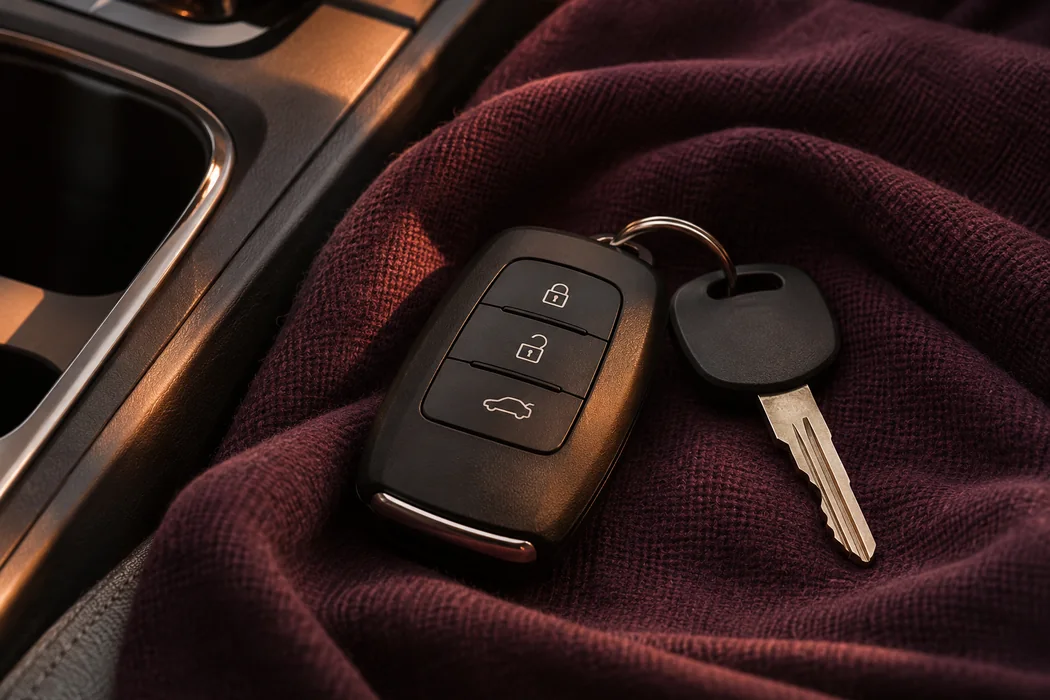
Which part of the key stopped working?
A key can open a door, trigger the remote locks and let the engine start. Depending on the car, it may do all three with one piece of hardware or split those jobs across a key and a remote. Tell us what still works. If the buttons stopped responding but you can still start the car, say that. If the door opens normally but the car reports that no key is detected, mention the message and when it appears.
With a turn-key ignition, a replacement can involve a cut blade and an electronic chip. With push-button start, compatibility and programming of the fob can matter, and there may also be a mechanical emergency blade. When you call, ask what functions would be restored with the replacement and whether the quote covers any separate parts.
A dropped fob, a loose case or a worn button can also change how a key behaves. If the problem followed a battery change, impact or water exposure, include that information. Keep any loose pieces of the original key. A photo of the case or model label can help guide the conversation, while key cuts and vehicle paperwork should stay private.
A spare and an all-keys-lost call are different
If a working key remains, bring it to the vehicle and tell us how often you use it. If you only have one, mention whether you want the spare for daily use or an emergency. A spare you can start the car with or a full remote spare both come down to what the vehicle supports and which functions you actually want.
If you’ve lost every key, tell us whether the vehicle is locked and where you left it. If it is open, share what you know about the ignition and whether the key or ignition has ever been replaced. When a vehicle has had previous work, the key information from the model alone may leave questions about the current setup.
Before arranging a visit, confirm that the person who owns the vehicle, or someone able to show authorization, can meet or provide the required details. If you’re calling for a borrowed, rental or fleet vehicle, contact whoever is responsible for it. For access with a working key locked inside, see mobile lockout help for the details to prepare.
Shopping for a replacement fob
The outside shape of a fob is easy to compare. The part number, button functions and how the vehicle accepts a key are often more important. Two remotes that look similar can have different internal parts or features. If you already bought a fob, note the part number, number and arrangement of the buttons, and whether the parts came separately.
A new shell may help with a broken case when the underlying parts are still good. A replacement blade, a chip key, a remote-head key and a proximity fob are different things to price. When someone says “complete key,” ask whether that includes the blade, electronics, cutting and programming for your particular car.
Ask about compatibility before buying a used or aftermarket fob. Some systems accept specific replacements and some have limitations around previously paired parts. Have a picture of the package and any label ready if you want to ask about a part you already own. Availability and what can be programmed need to be checked against your vehicle.
Transponder key
Cut blade and an immobilizer chip. Confirm which functions the vehicle requires.
Remote-head key
Blade and remote buttons in one case. Check button layout and electronics compatibility.
Proximity fob
For compatible push-to-start systems. Check how the emergency blade and remote functions are handled.
Check the replacement at the vehicle
Before wrapping up, ask which functions can be tested for the new key at the car. On a remote key, that can include opening and locking the doors, starting the engine and checking a trunk button if the vehicle has one. If the key includes a separate mechanical blade, confirm which lock it is meant to fit. It’s easier to ask while you can see both the original and replacement.
If a key was lost beside paperwork with your name or address, ask what the vehicle supports around old key access. Some vehicles allow changes to which electronic keys are recognized. A blade that physically fits a lock is a separate concern. Tell us if there are keys you want to keep in use so the question can be discussed for your exact vehicle.
A replacement is also a chance to choose where the spare will live. If more than one person drives the car, make sure they know what the spare does and whether it includes remote functions. A key left inside the only locked vehicle is hard to get to when you need it. Store a spare somewhere you can safely reach without relying on the car.
Arrange access where the car is parked
If you left the car near South Congress or Barton Springs Road and South Lamar, give the exact business or parking structure, the level and row if there are several, and a place where you can meet. Mention a vehicle gate, a permit or a parking time limit early. For a car parked at home off Slaughter Lane or in Circle C, say whether it’s out front, in a private garage or behind a gate.
If the garage door failed with the car inside, tell us whether you can access the car safely from another entrance. The vehicle can’t always be reached until the door problem is dealt with. Our garage door repair page covers what to report when that happens.
Wrap up the call by asking what the proposed replacement includes. If you have the vehicle identification number handy, keep it available in case it’s needed to confirm an exact configuration. Share it directly with the person handling your request instead of posting it in a public thread.
A clear plan starts with the vehicle, a reachable parking spot and someone who can authorize the work. If there’s a parking deadline or the car is somewhere it might be moved, bring that up before agreeing on a visit. Mention a low-clearance garage or vehicle gate when you give directions. Find the full list of details on our contact page.